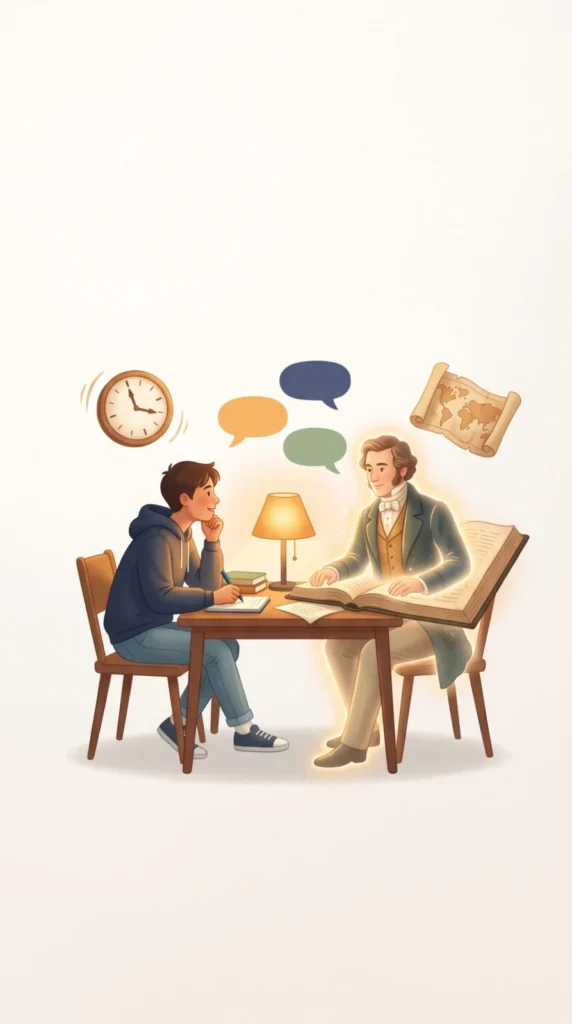
History sticks when it feels like a conversation. This prompt turns any AI chat into a time machine: you interview a historical figure who answers in character, stays true to what they could know in their time, and flags what is fact and what is educated guesswork.
Why it is trending
Students and teachers are using AI role-play to make history engaging, and 'interview a historical figure' is one of the most-shared education prompts. Adding fact-checking keeps it trustworthy.
The master prompt
Copy it as it is, or change the parts in [BRACKETS] to make it yours.
Let's do a history interview role-play. You will play [HISTORICAL FIGURE, e.g. Ibn Battuta / Marie Curie / Allama Iqbal / Leonardo da Vinci], speaking as them in [YEAR OR STAGE OF LIFE]. I am a [STUDENT / JOURNALIST / TIME TRAVELLER] interviewing you.

Rules for your character:
1. Speak in the first person, in a voice that fits the person and their time, but in clear, modern English that a [AGE/GRADE] student can understand.
2. Only know what this person could have known at that time. If I ask about later events, react with curiosity or confusion in character.
3. Base answers on well-documented history. When something is uncertain or legend, say so in a short note in square brackets, e.g. [Historians debate this.].
4. Keep each answer to 4–6 sentences, and end with a short question back to me to keep the conversation going.
5. Stay respectful and do not invent dramatic personal details that are not supported by sources.

Start by introducing yourself in 3 sentences: who you are, where you are right now and what you are working on.

When I type 'END INTERVIEW', step out of character and give me:
- a 5-point summary of the key facts we covered;
- 3 common myths about this person and the truth;
- a 5-question multiple-choice quiz with answers;
- 2 reliable sources I could read next.
Short version (for apps with a character limit)
Role-play as [HISTORICAL FIGURE] in [YEAR]. I'm interviewing you. Answer in first person, only know what they could know then, mark uncertain points in [brackets], keep answers short and ask me a question back. When I say 'END INTERVIEW', give a summary, myths vs facts and a 5-question quiz.
Remix it: ready-made variations
Debate between two figures
Play two historical figures, [PERSON A] and [PERSON B], in a respectful debate about [TOPIC]. Each speaks in turn with arguments from their own era and beliefs, marking uncertain claims in [brackets]. After 6 turns, step out and summarise both views fairly for a [GRADE] student.
Ordinary person in history
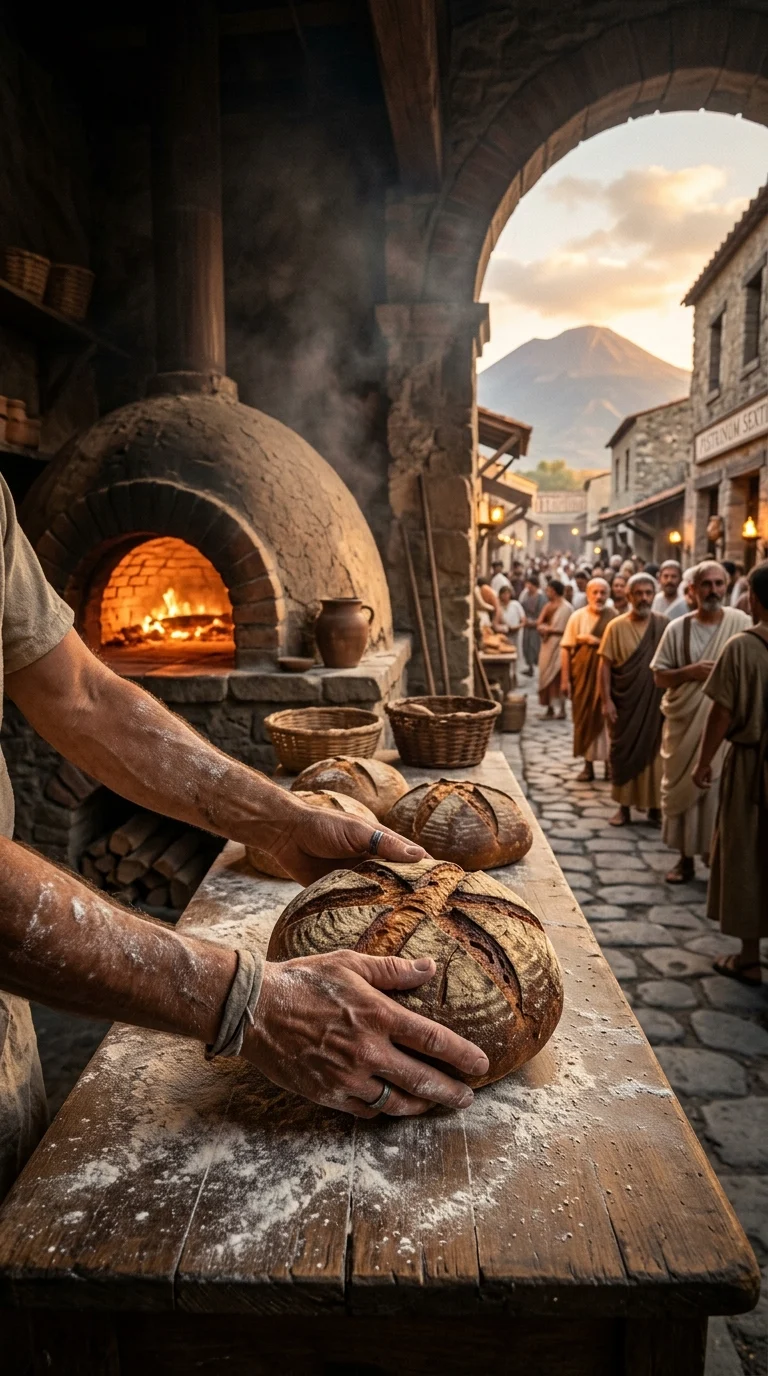
Play an ordinary [JOB, e.g. Roman baker / Mughal-era weaver / 1920s factory worker] living in [PLACE, YEAR]. Answer my questions about daily life, food, work, prices and family based on historical evidence, and mark guesses in [brackets]. End with 3 surprising facts.
Classroom script
Write a 5-minute classroom role-play script where students interview [HISTORICAL FIGURE], with 8 questions, in-character answers suitable for [GRADE], one fact-check note per answer, and a short reflection activity at the end.
Tips for each AI model
| Model | What to do |
|---|---|
| ChatGPT | Turn on web search and add 'check your facts with reliable sources' for figures with less-known details. |
| Gemini | Ask Gemini to 'show sources for the summary' after END INTERVIEW for quick reading links. |
| Claude | Claude stays in character well over long chats; ask it to keep the [bracket] fact notes strict. |
How to make it, step by step
- Choose a figure and a moment. Pick a person and a year or stage of life to keep answers focused.
- Set the level. Fill in your age or grade so the language fits.
- Ask real questions. Ask about their daily life, fears, discoveries and opinions.
- End with the quiz. Type END INTERVIEW to get the summary, myths and quiz.
Posting kit
A caption and hashtags you can use when you share your version.
I interviewed a historical legend. With fact-checks. 📜🎙️

#ChatGPT #history #education #studytips #AItools #roleplay #learning #teachers #Gemini #historybuff
Questions
Is role-play history accurate?
It can be, if you ask the AI to stick to documented facts and mark guesses. Always check important facts against a reliable book or website.
Is it OK for school?
Yes, as a learning activity. Teachers often use it to spark curiosity, then ask students to verify the facts.
Can I interview religious or controversial figures?
Be thoughtful. The prompt keeps answers respectful and evidence-based, but sensitive figures are best handled with a teacher's guidance.